
How Much Does a Roof Replacement Cost in 2026?
For most American homeowners, a full roof replacement in 2026 will run somewhere between $6,000 and $24,000, with a national midpoint often landing around $12,000. That's a wide range—and for good reason. Your final bill depends on the size and pitch of your roof, the materials you choose, local labor rates, and the complexity of the job itself.
Don't be alarmed by the spread. A modest ranch home in the Midwest getting a standard asphalt shingle roof will look very different on an invoice than a steep, multi-gabled Victorian in the Northeast being re-roofed with architectural shingles or standing-seam metal. Understanding what drives costs is the first step toward an accurate budget.
Key Factors That Affect Your Roofing Bill
- Roof size: Roofing is priced in "squares" — one square equals 100 square feet. A typical single-family home ranges from 15 to 40 squares.
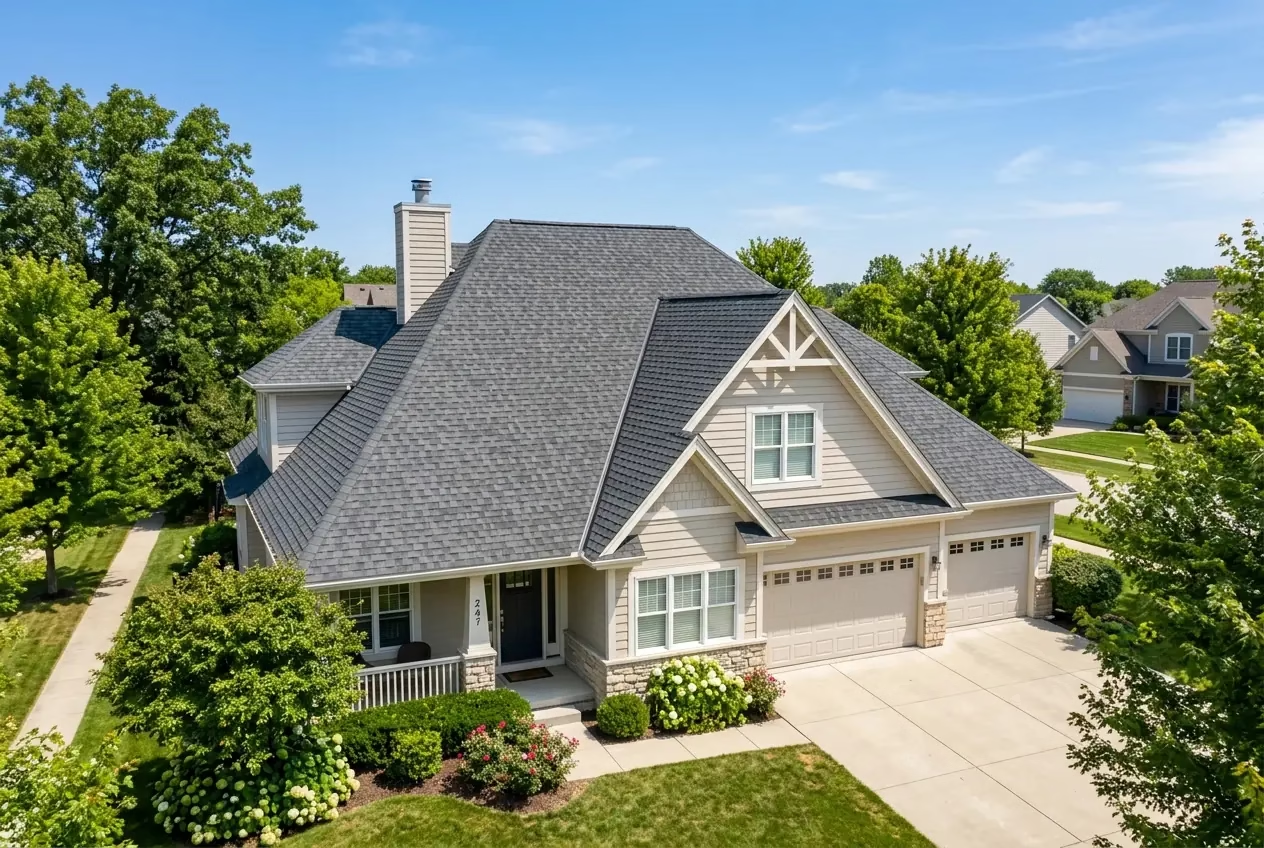
- Pitch and complexity: Steep roofs and those with many valleys, dormers, or skylights require more labor time and safety equipment, raising costs.
- Material choice: Asphalt shingles remain the most affordable option, while metal, slate, and tile carry significantly higher price tags.
- Tear-off and disposal: Removing and hauling away old roofing layers adds to both labor time and disposal fees.
- Decking repairs: If the sheathing beneath is rotted or damaged, repairs or replacement will be added to your total.
- Geographic location: Labor costs vary widely by region. Urban markets and areas with high demand after storm seasons tend to run higher.
2026 Roofing Material Cost Ranges
Material selection is often where homeowners have the most control over their budget. Here's a general overview of installed cost ranges per square:
- 3-tab asphalt shingles: $300–$500 per square installed (less common today but still available)
- Architectural/dimensional asphalt shingles: $400–$700 per square installed — the most popular choice in the U.S.
- Metal roofing (steel panels or standing seam): $700–$1,800 per square installed, depending on style and gauge
- Wood shakes: $600–$1,200 per square installed
- Concrete or clay tile: $800–$1,800 per square installed
- Natural slate: $1,500–$3,000+ per square installed
Most homeowners replacing a standard asphalt shingle roof on a 2,000-square-foot home can expect materials to represent roughly 40–50% of the total project cost, with labor making up the rest.
Labor Costs Explained
Roofing labor typically runs between $1.50 and $4.00 per square foot, though steep-pitch or complex roofs can push that higher. For a full replacement on an average-sized home, expect labor costs to fall somewhere in the $3,000 to $8,000 range. Contractors in high cost-of-living metros or regions experiencing post-storm contractor demand may charge more.
Always confirm whether your quote includes tear-off, disposal, flashing replacement, and any underlayment or ice-and-water shield required by local building codes. These line items can add hundreds to thousands of dollars if not clearly specified upfront.
Don't Overlook Permits and Code Requirements
Most municipalities require a permit for a full roof replacement, and some require inspections. Permit fees vary by location but typically range from $150 to $500. Reputable contractors will pull the permit on your behalf and include it in their quote — be cautious of any contractor who suggests skipping this step.
How to Get the Best Value
- Get at least three written, itemized bids from licensed local contractors.
- Check contractor licensing and insurance status through your state's contractor licensing board.
- Ask specifically what is and isn't included — tear-off, flashing, ventilation, and warranty terms all matter.
- Avoid scheduling in peak storm-repair seasons if possible; late fall or late winter may bring better contractor availability.
- Review manufacturer warranties alongside workmanship warranties; these are two separate coverages.
When to Replace vs. Repair
If your roof is under 15 years old and damage is isolated to a small section, a targeted repair may serve you well. But if your asphalt shingles are approaching 20–25 years, are losing granules broadly, or show widespread curling or cracking, a full replacement is typically the smarter long-term investment. A qualified roofing contractor — or a certified roofing inspector — can help you make that call objectively.