
Plumbing
Plumbing repairs, maintenance and costs.
From a dripping faucet to a failed water heater, plumbing problems rarely wait for a convenient time. Browse repair guides, replacement cost breakdowns, and the warning signs that mean it's time to call a licensed plumber instead of reaching for a wrench.
Common Plumbing Problems
Plumbing issues range from minor annoyances to full-scale emergencies, and most homeowners encounter several during the life of their home. The most frequent complaints include dripping faucets, running toilets, slow or clogged drains, low water pressure, leaking supply lines, and water heater failures. Left unaddressed, even a slow faucet drip can waste thousands of gallons of water per year, according to the U.S. Environmental Protection Agency (epa.gov). Pipe leaks — whether at joints, under slabs, or inside walls — are particularly serious because hidden moisture promotes mold growth and structural rot long before you notice staining on a ceiling or a spike in your water bill.
- Dripping faucets and running toilets: Usually caused by worn washers, O-rings, or faulty flappers. Often a straightforward DIY fix, but persistent issues may signal deeper valve or pressure problems.
- Clogged drains: Hair, grease, soap scum, and foreign objects are the most common culprits. Recurring clogs in the same drain can indicate a deeper blockage in the main sewer line.
- Low water pressure: May stem from mineral buildup in aerators, a failing pressure-reducing valve, or supply line corrosion — especially in homes with older galvanized steel pipes.
- Leaking pipes: Joints, elbows, and corroded sections are frequent failure points. Slab leaks require professional detection equipment and are among the costliest repairs a homeowner can face.
- Water heater problems: Sediment buildup, failing heating elements, corroded anodes, and faulty pressure-relief valves are common, and some represent genuine safety hazards.
Repair vs. Replace
Deciding whether to repair or replace a plumbing component comes down to age, condition, repair cost relative to replacement cost, and safety. A toilet that runs intermittently almost always warrants a simple, inexpensive flapper replacement rather than a full swap. By contrast, a water heater more than ten to twelve years old that is leaking from the tank itself — not just a fitting — is almost always better replaced than repaired, since the tank wall has failed and further patching is temporary at best.
Pipe material is another major factor. Homes built before the mid-1980s may still have galvanized steel supply lines that have corroded from the inside out, restricting flow and leaching rust. Polybutylene piping, installed in many homes from the late 1970s through the mid-1990s, has a well-documented history of failure and is generally considered a candidate for full repiping rather than spot repair. When repair costs approach or exceed roughly fifty percent of replacement cost, or when a system component has exceeded its expected service life, replacement typically offers better long-term value and peace of mind.
Materials & Options
Modern plumbing systems offer homeowners several material choices, each with its own performance profile and price range. Copper remains a proven standard for supply lines — durable, corrosion-resistant, and rated for both hot and cold water — though material costs fluctuate with commodity markets, making it one of the pricier options. Cross-linked polyethylene, or PEX, has become extremely popular for new construction and repiping projects because it is flexible, freeze-damage-resistant, faster to install, and generally less expensive than copper. CPVC (chlorinated polyvinyl chloride) is another rigid plastic option approved for hot and cold supply lines. For drain, waste, and vent systems, ABS and PVC plastics are the current standards.
Fixture and appliance choices also affect long-term costs. WaterSense-labeled fixtures, certified through the EPA's WaterSense program (epa.gov), meet water-efficiency standards and can meaningfully reduce household water consumption. For water heaters, homeowners can choose among traditional tank models, tankless (on-demand) units, and heat pump water heaters — the latter of which the U.S. Department of Energy (energy.gov) identifies as significantly more energy-efficient than standard electric resistance tank models. The International Association of Plumbing and Mechanical Officials (iapmo.org) publishes the Uniform Plumbing Code, which establishes minimum standards for materials and installations that licensed contractors in many states must follow.
Storm Damage & Insurance Considerations
Severe weather can impose sudden, serious plumbing damage. Freezing temperatures burst pipes — typically at uninsulated exterior walls, in unheated crawl spaces, or in garage supply lines. Flash flooding can backflow sewage through floor drains and toilets, contaminating interiors and requiring professional remediation. High winds and hail can damage roof penetrations around plumbing vents, allowing water intrusion.
Standard homeowners insurance policies typically cover sudden and accidental water damage — such as a pipe that bursts unexpectedly — but routinely exclude gradual leaks, maintenance failures, and sewer or drain backups unless you carry a specific backup rider. Document damage with photographs immediately and contact your insurer before beginning significant repairs. Flood damage from rising exterior water requires separate flood insurance, available through programs such as the National Flood Insurance Program (fema.gov/nfip). Keep records of all professional inspections and repairs, as a documented maintenance history can support a claim and demonstrate that a loss was sudden rather than the result of neglect.
Choosing a Qualified Contractor
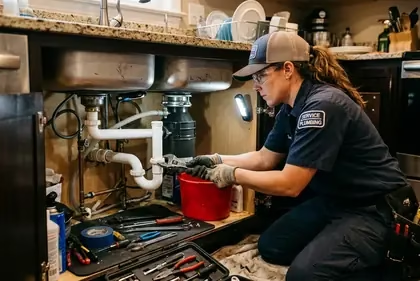
Plumbing work that goes beyond simple fixture swaps almost always requires a licensed plumber, and in most jurisdictions, permitted work is required for pipe replacement, water heater installation, and any modification to the drain-waste-vent system. Verify that any plumber you hire holds a current state or local license, carries general liability insurance, and maintains workers' compensation coverage. Ask for references from recent jobs similar in scope to yours, and get itemized written estimates from at least two or three contractors before committing.
- Confirm license status through your state contractor licensing board — most publish searchable online databases.
- Be cautious of bids that are dramatically lower than competitors, which can signal unlicensed work, skipped permits, or inferior materials.
- Ask whether the contractor will pull the required permit and arrange inspections — this protects you legally and ensures the work meets code.
- For specialized work such as sewer line inspection or water heater efficiency upgrades, look for contractors familiar with your local utility's rebate programs, which can meaningfully offset replacement costs.
Get an Instant Cost Estimate
Use our free calculator to estimate your project cost in seconds.
Try the Calculator →Latest Plumbing Guides
Need a Plumbing Pro?
Compare free quotes from vetted, licensed local pros — fast, free and no obligation.
Find a Pro →