
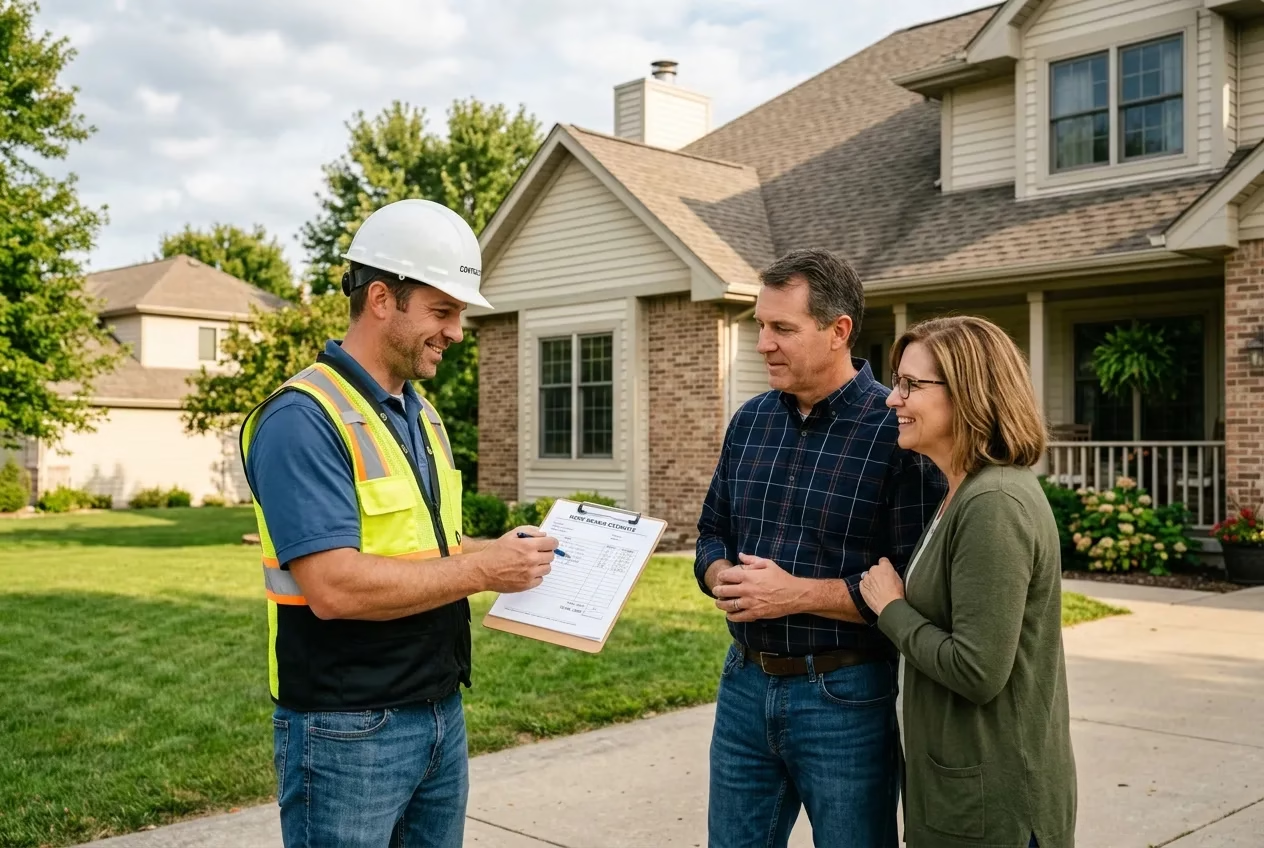
Why Choosing the Right Roofing Contractor Matters
A new roof or major repair is rarely a small expense. Beyond the cost, a poorly installed roof can lead to leaks, structural damage, voided manufacturer warranties, and failed inspections. The contractor you hire makes all the difference. Unfortunately, the roofing industry attracts a disproportionate share of unlicensed operators, storm-chasing scammers, and underbidders who cut corners. Knowing how to screen candidates carefully before you sign a contract is the single best thing you can do to protect your home.
Start With Licensing and Insurance — No Exceptions
Before anything else, verify that any contractor you're seriously considering holds the licenses required in your state or municipality. Licensing requirements vary widely, so check with your local building department or state contractor licensing board to understand what's required in your area.
At a minimum, ask every candidate for:
- Proof of a valid contractor's license — verify it through your state licensing board, not just the contractor's word.
- General liability insurance — this covers damage to your property during the job.
- Workers' compensation insurance — this protects you from liability if a worker is injured on your roof.
Ask for certificates of insurance and call the insurer directly to confirm the policies are active. Any legitimate contractor will expect this and comply without hesitation.
Look for Industry Credentials and Local Reputation
Membership in recognized trade associations is a meaningful signal. Look for contractors affiliated with the National Roofing Contractors Association (NRCA), as members agree to a code of ethics and have access to industry training. Manufacturer certifications — such as those offered by major shingle brands — also matter because certified installers must meet installation standards and often carry enhanced warranty programs.
Local reputation counts for a great deal in the roofing business. Ask neighbors, friends, and family for referrals. Check the contractor's standing with the Better Business Bureau and read reviews on multiple platforms. Look specifically for how a company handles complaints, not just whether complaints exist.
Get Multiple Written Estimates
Obtain at least three written estimates for any significant roofing project. A written estimate should clearly specify:
- The exact scope of work, including tear-off of old materials if applicable
- The brand, product line, and warranty tier of the materials being installed
- A projected project timeline
- How debris and old roofing will be disposed of
- Payment schedule and total price
Be cautious of any estimate that arrives with heavy pressure to sign immediately. Reputable contractors understand that homeowners need time to compare proposals. Also be wary of bids that are dramatically lower than others — underbidding is a common warning sign of cut corners or a plan to add surprise charges later.
Ask the Right Questions Before You Hire
A brief phone call or in-person conversation can reveal a lot. Consider asking:
- How long have you been in business under this name and in this area?
- Will your own employees do the work, or will it be subcontracted?
- Who is my point of contact during the project?
- Will you pull the necessary permits, and will work be inspected?
- What does your workmanship warranty cover and for how long?
Reputable contractors should pull permits where required. If a contractor suggests skipping permits to save money or time, walk away — unpermitted work can create problems when you sell your home and may void your homeowner's insurance coverage.
Understand the Contract Before You Sign
Never pay for a roofing job in full upfront, and never rely on verbal agreements. A legitimate contract should include all the details from the written estimate plus payment milestones, a dispute resolution clause, and a clear description of the workmanship warranty. Read it carefully. If something is unclear, ask for clarification in writing before signing.
Most contractors require a deposit — a reasonable deposit is typically in the range of 10–30% of the total project cost. Be cautious of any contractor who demands 50% or more upfront before work begins.
Watch Out for Storm Chasers
After major hail or wind events, out-of-town contractors often flood neighborhoods promising quick repairs at deep discounts. These so-called storm chasers may disappear after collecting payment, leaving homeowners with incomplete work or no recourse. Prioritize local, established contractors who have a verifiable business address and a track record in your community.
Final Checklist Before You Hire
- License verified through a state or municipal board
- Active liability and workers' comp insurance confirmed directly with insurer
- At least three written, itemized estimates in hand
- Local references contacted and checked
- Permit responsibility confirmed in writing
- Full contract reviewed before signing
Taking the time to do this homework upfront is far less painful than dealing with a botched roof job or a contractor who vanishes mid-project. A great roofing contractor is worth finding.