
Why Roof Timing Matters
Most homeowners don't think about their roof until water is dripping onto the kitchen floor. By that point, what might have been a manageable repair has often turned into a full replacement — along with potential damage to insulation, drywall, and even structural framing. Learning to spot early warning signs can save you thousands of dollars and a massive headache.
Roofs don't fail overnight. They send signals for months, sometimes years, before they give out completely. The key is knowing what to look for.
Top Warning Signs Your Roof May Need Replacing
1. Your Roof Is Past Its Expected Lifespan
The age of your roof is one of the most reliable indicators of its health. Standard asphalt shingles typically last between 20 and 30 years, depending on climate, installation quality, and maintenance history. If your roof is approaching or past that range — especially if it was installed over an older layer of shingles — it's time to have it professionally evaluated, even if it looks fine from the street.
2. Curling, Buckling, or Missing Shingles
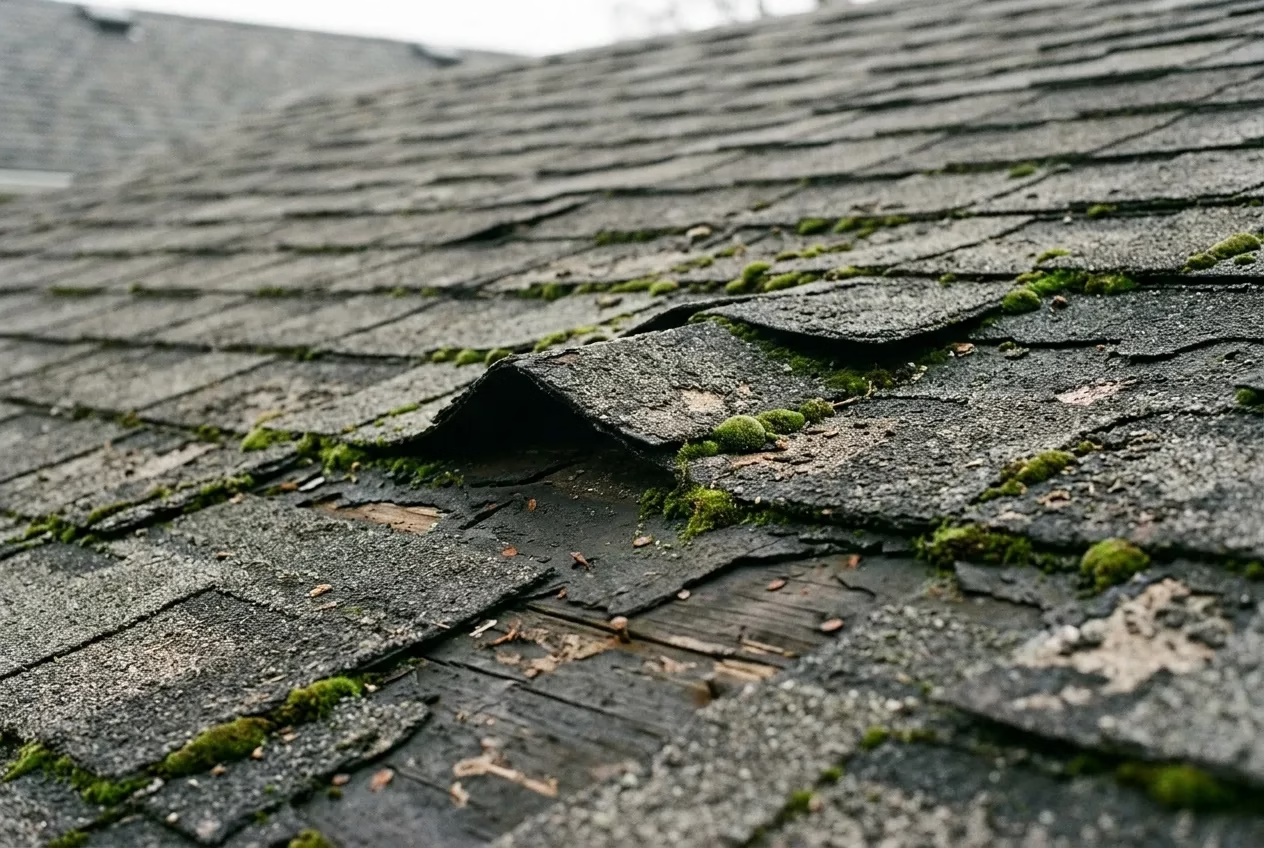
Walk around the perimeter of your home and look up. Shingles that are curling at the edges, buckling in the middle, or missing entirely are a clear sign of wear. Curling can happen in two ways: cupping, where the edges turn upward, and clawing, where the middle lifts while the edges stay flat. Both indicate the shingles are no longer lying flat and are no longer providing reliable protection against water intrusion.
3. Granules in Your Gutters
Asphalt shingles are coated with granules that protect them from UV rays and help shed water. When shingles age, they shed these granules at an accelerating rate. Check your gutters and downspout splash areas — if you're finding significant amounts of gritty, sand-like material, your shingles are deteriorating. A few granules here and there is normal; consistent, heavy accumulation is not.
4. Daylight Through the Roof Boards
On a sunny day, go into your attic and turn off the lights. If you can see pinpoints of daylight coming through the roof boards, you have gaps that can let in water, pests, and cold air. While you're up there, also look for water stains, streaks, or sagging areas in the decking, which indicate moisture has already been getting through.
5. Water Stains or Leaks Inside the Home
Brown or yellowish stains on your ceilings or upper walls are a red flag. Leaks don't always appear directly below the entry point — water can travel along rafters and sheathing before dripping down, making the source tricky to locate. Even a small, intermittent leak can lead to mold growth and wood rot if left unaddressed.
6. Sagging Roof Deck
A roof that sags or dips — visible either from the outside or inside the attic — signals a serious structural problem. This can be caused by prolonged moisture damage, inadequate support, or the sheer weight of accumulated damage over time. A sagging roof is a safety concern and typically requires immediate professional attention.
7. Moss, Algae, or Mold Growth
Dark streaks running down your shingles are usually algae. While algae can be treated and doesn't always mean immediate replacement, widespread moss growth is more concerning — moss retains moisture and can lift shingles, accelerating deterioration. Heavy moss or mold on the surface, particularly combined with other warning signs, may indicate the roof's integrity is compromised.
What to Do Next
Step 1: Schedule a Professional Roof Inspection
Before making any decisions, get a qualified roofing contractor to inspect your roof in person. Many reputable roofers offer free or low-cost inspections. Ask for a written report detailing the condition of shingles, flashing, gutters, decking, and ventilation. This gives you an objective baseline — and documentation you can use if you need to file an insurance claim.
Step 2: Get Multiple Estimates
If the inspection recommends replacement, don't settle for the first quote. Get at least two or three written estimates from licensed, insured contractors. Make sure each estimate specifies the materials being used, the scope of work, warranty terms, and timeline.
Step 3: Check Your Homeowner's Insurance
If the damage was caused or accelerated by a storm, hail, or falling debris, your homeowner's insurance policy may cover part or all of the replacement cost. Contact your insurer before signing any contractor agreement, and ask whether you need an adjuster to visit before repairs begin.
Step 4: Understand Your Material Options
Asphalt shingles remain the most common and cost-effective choice for most homes. But depending on your budget, climate, and home style, you might also consider architectural shingles, metal roofing, or impact-resistant options. Your contractor can walk you through the trade-offs in longevity, appearance, and cost.
Don't Wait for a Crisis
Your roof is one of the most important — and expensive — components of your home. Catching problems early, staying current on inspections every few years, and acting on warning signs promptly is far less disruptive than dealing with a full emergency replacement. When in doubt, get it checked out.