
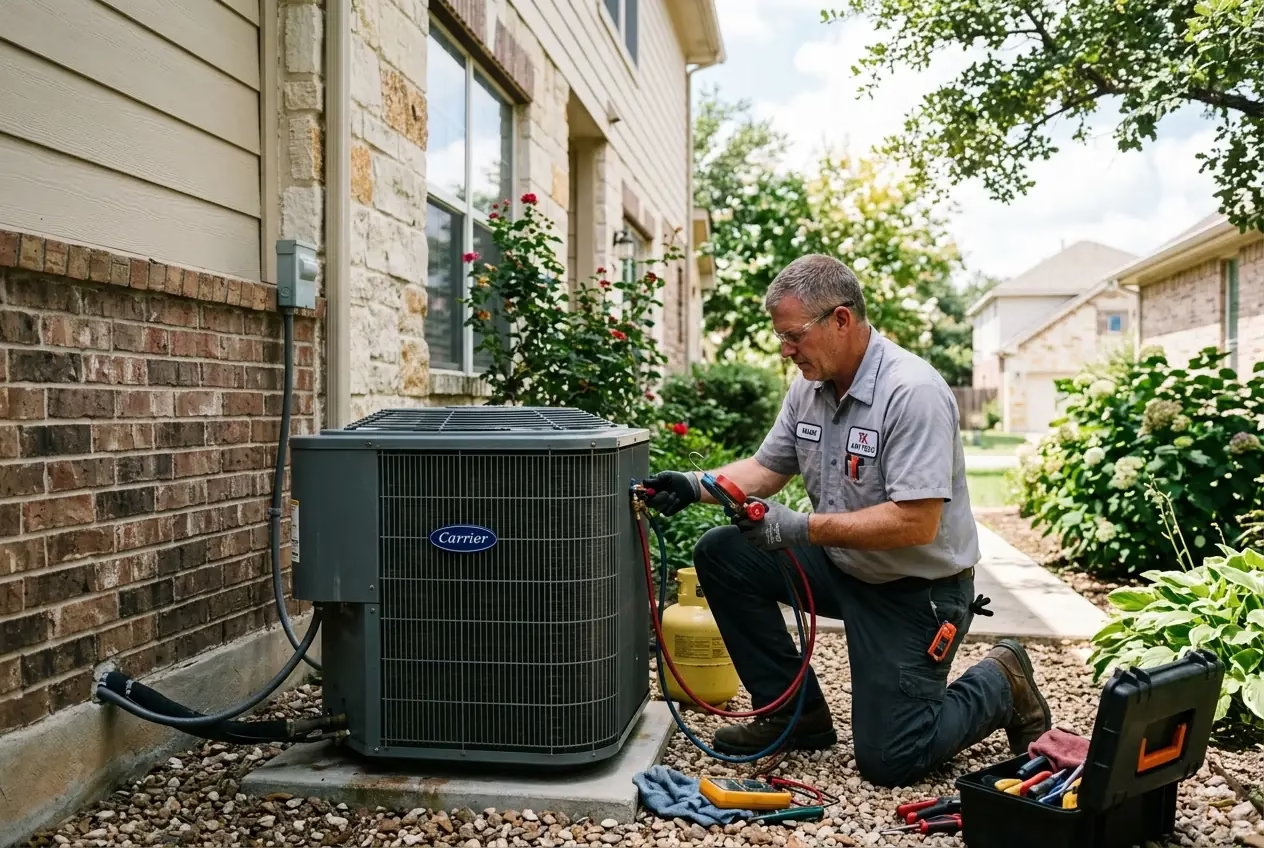
What Does HVAC Replacement Cost in 2026?
Most homeowners in 2026 can expect to spend somewhere between $6,000 and $24,000 for a full HVAC system replacement, with a national average landing around $10,000–$14,000 for a standard central air-and-heat system. That wide range reflects real-world variables: home size, system type, regional labor rates, and whether ductwork needs attention.
If you've been putting off a replacement, rising equipment efficiency standards and updated refrigerant regulations mean 2026 is a meaningful year to understand your options before your old system fails entirely.
What's Included in a Full HVAC Replacement?
A "full HVAC replacement" typically means swapping out the major components of your heating and cooling system. Depending on your setup, this could include:
- Air conditioner or heat pump (outdoor unit)
- Furnace or air handler (indoor unit)
- Evaporator coil
- Thermostat
- Refrigerant recharge
- Disposal of old equipment
Not every job requires every item above. Replacing only the furnace or only the AC unit costs significantly less than a full system overhaul — but mismatched components can hurt efficiency and void warranties, so many HVAC contractors recommend replacing paired components together.
Cost Breakdown by Component
Equipment Costs
The equipment itself typically represents the largest share of the bill. Central air conditioners run roughly $1,200–$5,500 depending on brand, SEER2 rating, and tonnage. Gas furnaces range from about $800–$3,500. Heat pumps — increasingly popular as an all-in-one heating and cooling solution — can run $1,500–$6,000 or more for the unit alone. High-efficiency or variable-speed systems sit at the top of those ranges.
Labor Costs
Labor is the second major cost driver, typically ranging from $3,000–$8,000 for a full system swap. Labor rates vary significantly by region — expect to pay more in high cost-of-living metro areas and less in rural markets. The complexity of the installation (attic versus basement placement, accessibility issues, code compliance upgrades) also affects labor hours.
Ductwork
If your existing ductwork is leaky, undersized, or damaged, repairs or partial replacement can add $1,000–$5,000 to the total project. A full duct replacement in a larger home can run even higher. Many contractors will perform a duct inspection as part of the quote process.
Permits and Inspections
Most municipalities require a permit for HVAC replacement work, which typically costs $100–$500. Always verify your contractor is pulling the proper permits — unpermitted work can create complications when selling your home.
Factors That Affect Your Final Price
- Home size: Larger homes require higher-tonnage systems, which cost more.
- System type: Heat pumps, dual-fuel systems, and geothermal systems each carry different price points.
- Efficiency rating: Higher SEER2 and AFUE ratings mean higher upfront costs but lower monthly energy bills.
- Brand: Premium brands generally cost more to purchase and sometimes more to service.
- Regional labor rates: Costs in the Northeast and West Coast tend to run higher than in the South and Midwest.
- Time of year: Replacing during peak summer or winter demand can increase costs due to contractor scheduling pressure.
Ways to Reduce Your HVAC Replacement Cost
There are a few legitimate ways to keep costs manageable without cutting corners on quality:
- Get at least three quotes from licensed HVAC contractors — prices for the same job can vary by thousands of dollars.
- Check for utility rebates: Many energy providers offer rebates for installing high-efficiency equipment. These can range from a few hundred to over a thousand dollars.
- Federal tax credits: The Inflation Reduction Act extended energy-efficiency tax credits through 2032. Qualifying heat pumps and high-efficiency systems may be eligible for credits worth up to 30% of installation costs, subject to annual caps — consult a tax professional for your specific situation.
- Plan ahead: Replacing a system before it fails completely gives you time to compare quotes rather than accepting whatever is available in an emergency.
Should You Repair or Replace?
A common rule of thumb: if your system is more than 10–15 years old and a repair would cost more than half the price of a new system, replacement usually makes more financial sense. Newer systems also operate far more efficiently, which can meaningfully reduce monthly energy bills over time.