
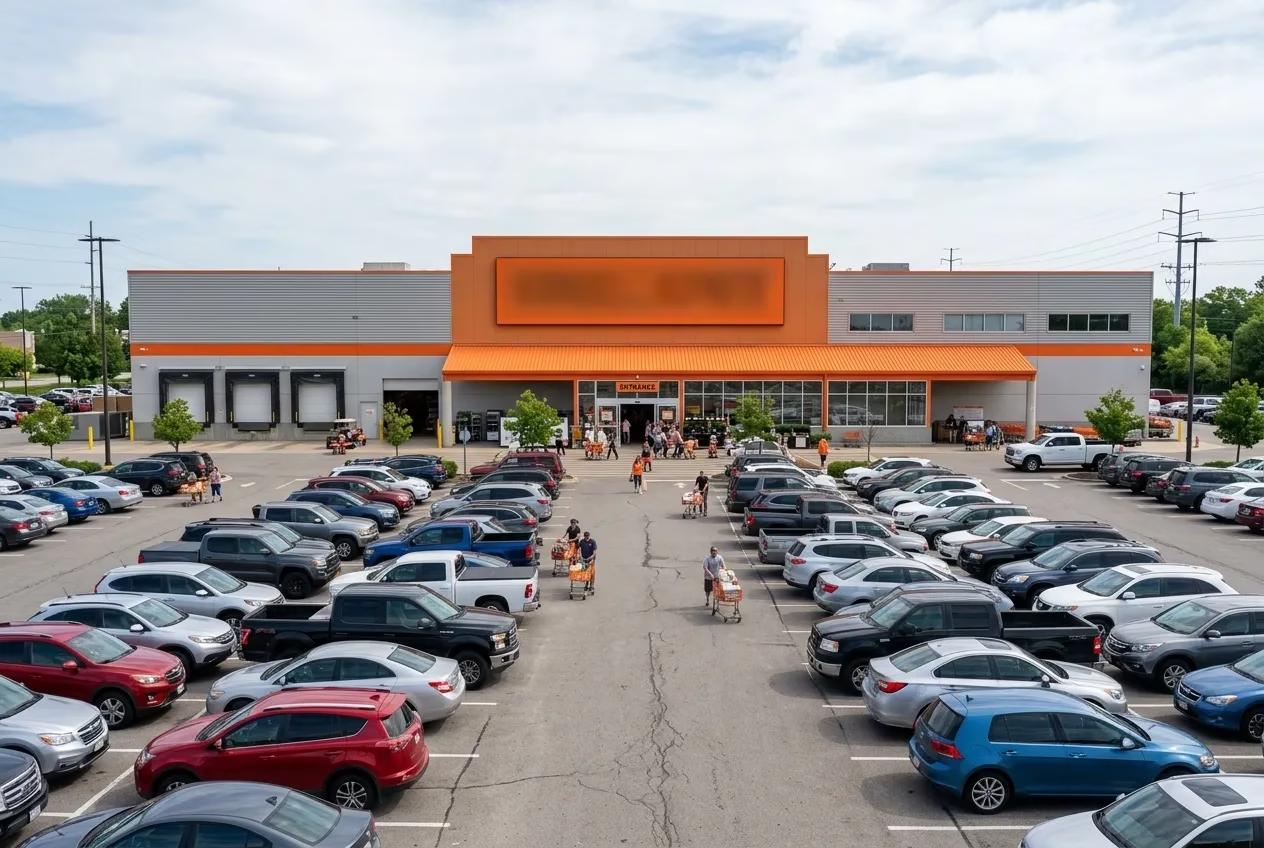
Home Depot Eyes Aggressive Growth With 2026 Expansion Push
Home Depot, the nation's largest home improvement retailer, has announced plans for a significant store expansion heading into 2026. The company says the move is part of a broader strategy to bring its products, services, and contractor resources closer to underserved communities and fast-growing suburban markets across the United States.
For homeowners, the announcement signals potentially shorter drives to a full-service home improvement store, greater access to in-store project consultations, and more same-day availability on everything from lumber and flooring to appliances and smart home devices.
Why Home Depot Is Expanding Now
Industry analysts point to several converging factors that make 2026 a strategic moment for physical retail expansion in the home improvement space. Renovation demand has remained resilient even as mortgage rates have kept many homeowners in their existing homes rather than trading up — a trend sometimes called the "lock-in effect." When people can't move, they tend to invest in improving where they already live.
Home Depot executives have publicly cited strong performance in their Pro (contractor) segment as a key driver of expansion confidence. New store locations are expected to be strategically positioned near high-density contractor markets and growing residential developments where housing construction activity is elevated.
The company has also made significant investments in its supply chain infrastructure over the past several years, which means new stores can be stocked and replenished more efficiently than in previous expansion eras.
What New Stores May Look Like
According to reports from the company's investor communications, at least some of the new 2026 locations are expected to incorporate updated store formats designed to improve the shopping experience for both DIY homeowners and professional contractors. Features reportedly under consideration or already being piloted include:
- Dedicated Pro contractor desks with streamlined bulk ordering and job-site delivery options
- Expanded tool rental centers so homeowners can access professional-grade equipment without buying it outright
- Larger appliance showrooms featuring more interactive displays
- In-store design consultation spaces for kitchen, bath, and flooring projects
- Curbside and locker pickup zones built into the store footprint from the ground up
While not every new location is guaranteed to include all of these features, the company has signaled a shift toward stores that blend digital convenience with hands-on, expert-driven service.
What This Means for Homeowners in Expansion Markets
If a new Home Depot opens near you in 2026, the practical benefits can be significant. Proximity to a major home improvement retailer can reduce project delays caused by supply runs, lower delivery costs on heavy materials like concrete or drywall, and give homeowners faster access to knowledgeable staff during weekend projects.
There may also be competitive pricing benefits in markets where a new store introduces or intensifies competition with existing retailers. Homeowners in areas that currently rely on smaller regional hardware stores or make long trips to the nearest big-box location stand to gain the most from expanded access.
Tool rental availability is another area worth watching. As Home Depot expands its rental fleet — which can include everything from tile saws and floor sanders to trenchers and scaffolding — homeowners tackling larger renovation projects may find it easier and more affordable to complete jobs they might otherwise have hired out.
What This Doesn't Change
It's worth noting that a new store opening doesn't automatically translate into lower prices on all products. Home Depot's pricing strategy is largely national, with some regional variation. Homeowners should continue to price-compare major purchases — particularly appliances, cabinetry, and flooring — across multiple retailers before committing.
Additionally, while store staff can offer helpful guidance, complex projects involving structural changes, electrical work, or plumbing should still involve licensed professionals. More convenient access to materials doesn't replace the need for qualified tradespeople on jobs that require permits or carry safety implications.
Looking Ahead
Home Depot's expansion announcement reflects broader confidence in the long-term health of the home improvement market. For homeowners, more locations generally mean more options, faster service, and potentially stronger local competition that benefits the consumer. As 2026 approaches, it will be worth tracking which specific markets are targeted and what format those new stores take.
HouseTalk Daily will continue to follow this story as more details about specific locations and store features become available.