
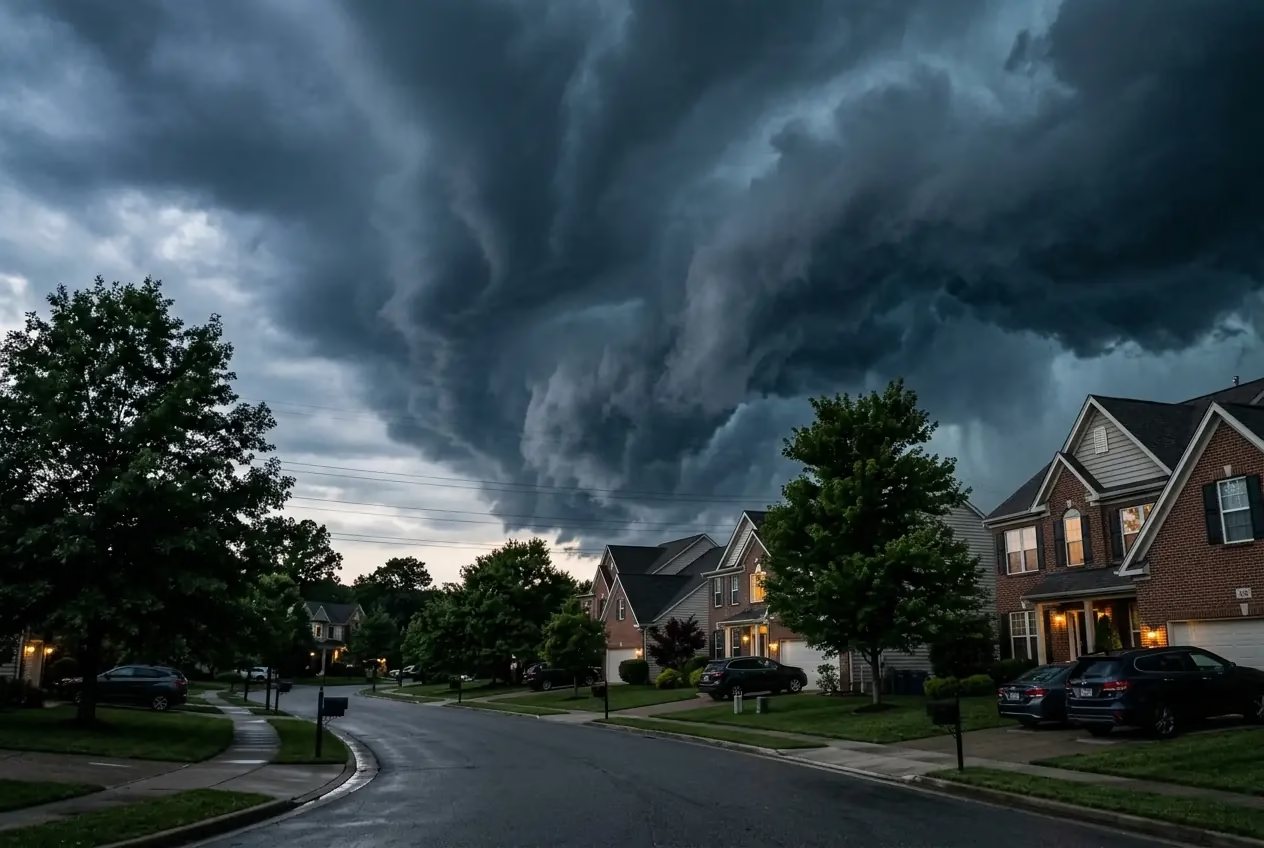
Every year, severe storms cause billions of dollars in residential property damage across the United States. Whether you're bracing for hurricane season along the Gulf Coast, tornado season in the Midwest, or intense thunderstorms and nor'easters in the Northeast, the fundamentals of storm preparedness are largely the same: inspect, reinforce, and plan ahead.
The good news is that many of the most effective protective measures are things homeowners can do themselves or schedule in an afternoon. Here are 10 ways to get your home storm-ready right now.
1. Inspect and Reinforce Your Roof
Your roof is your home's first line of defense against wind and rain. Walk your property and look for missing, cracked, or curling shingles. If your roof is more than 15–20 years old, consider having a licensed roofer perform a professional inspection. Ask about hurricane straps or roof-to-wall connectors if you live in a high-wind zone — these metal fasteners can significantly reduce the risk of roof uplift during severe storms.
2. Clean and Secure Your Gutters
Clogged gutters cause water to back up and pool against your foundation or push under your roofline, leading to leaks and structural damage. Clean gutters at the start of storm season and install gutter guards if debris buildup is a recurring problem. Make sure downspouts direct water at least 3–4 feet away from your foundation.
3. Trim Trees and Remove Dead Branches
Overhanging limbs and dead branches are projectiles waiting to happen. Hire a certified arborist to trim trees near your home, especially any branches hanging over the roof, power lines, or windows. This is one of the simplest and most cost-effective ways to prevent storm damage.
4. Install or Test Your Sump Pump
If your basement or crawl space is vulnerable to flooding, a working sump pump is essential. Test your existing pump by pouring water into the sump pit and watching it activate. Consider installing a battery backup system so the pump continues working even during power outages — which is exactly when you need it most.
5. Seal Windows and Doors
Inspect the caulking and weatherstripping around all your windows and doors. Gaps and cracks allow wind-driven rain to enter, leading to water damage, mold, and energy loss. Re-caulk where needed and replace worn weatherstripping. In hurricane-prone areas, look into impact-resistant windows or storm shutters for an extra layer of protection.
6. Secure Outdoor Furniture and Decorations
Lawn chairs, potted plants, grills, and yard ornaments can become dangerous airborne debris in high winds. Before a storm, bring loose items inside or anchor them securely. Even lightweight objects can shatter windows or damage siding when caught in strong gusts.
7. Check Your Home's Grading and Drainage
The ground around your home should slope away from the foundation to prevent water from pooling against the structure. If you notice low spots or water pooling near the house after a normal rainstorm, regrade those areas or install French drains before severe weather season is in full swing.
8. Know Your Electrical Panel and Have a Backup Power Plan
Locate your main electrical panel and make sure every member of your household knows how to shut off the power if needed. Extended outages are common after major storms — consider a portable generator or a whole-home standby generator if you have medical equipment, well water, or other critical needs. Always run generators outdoors and away from windows and doors to prevent carbon monoxide buildup.
9. Review Your Homeowners Insurance Policy
Storm season is the perfect time to revisit your homeowners insurance coverage. Review your policy for wind, hail, and water damage provisions. Note that standard homeowners insurance typically does not cover flooding — for that, you'll need a separate flood insurance policy through the National Flood Insurance Program (NFIP) or a private insurer. Contact your agent with any questions before a storm occurs, not after.
10. Build or Refresh Your Emergency Kit
Protecting your home also means being prepared to shelter in place or evacuate quickly. Keep a well-stocked emergency kit that includes:
- At least 72 hours of water and non-perishable food for each household member
- Flashlights, batteries, and a battery-powered or hand-crank radio
- First aid supplies and any prescription medications
- Copies of important documents in a waterproof container
- A fully charged portable battery bank for phones and devices
Don't Wait for the Forecast
The most common mistake homeowners make is waiting until a storm watch or warning is issued to start preparing. By then, hardware stores are often sold out of supplies, and contractors are booked solid. The time to act is now, while the skies are clear and you have options.
A few hours of preparation today can save thousands of dollars in repairs — and far more in peace of mind — when the next major storm hits.